
The Auditor Who Became a Steward of Fashion's Conscience
An interview with
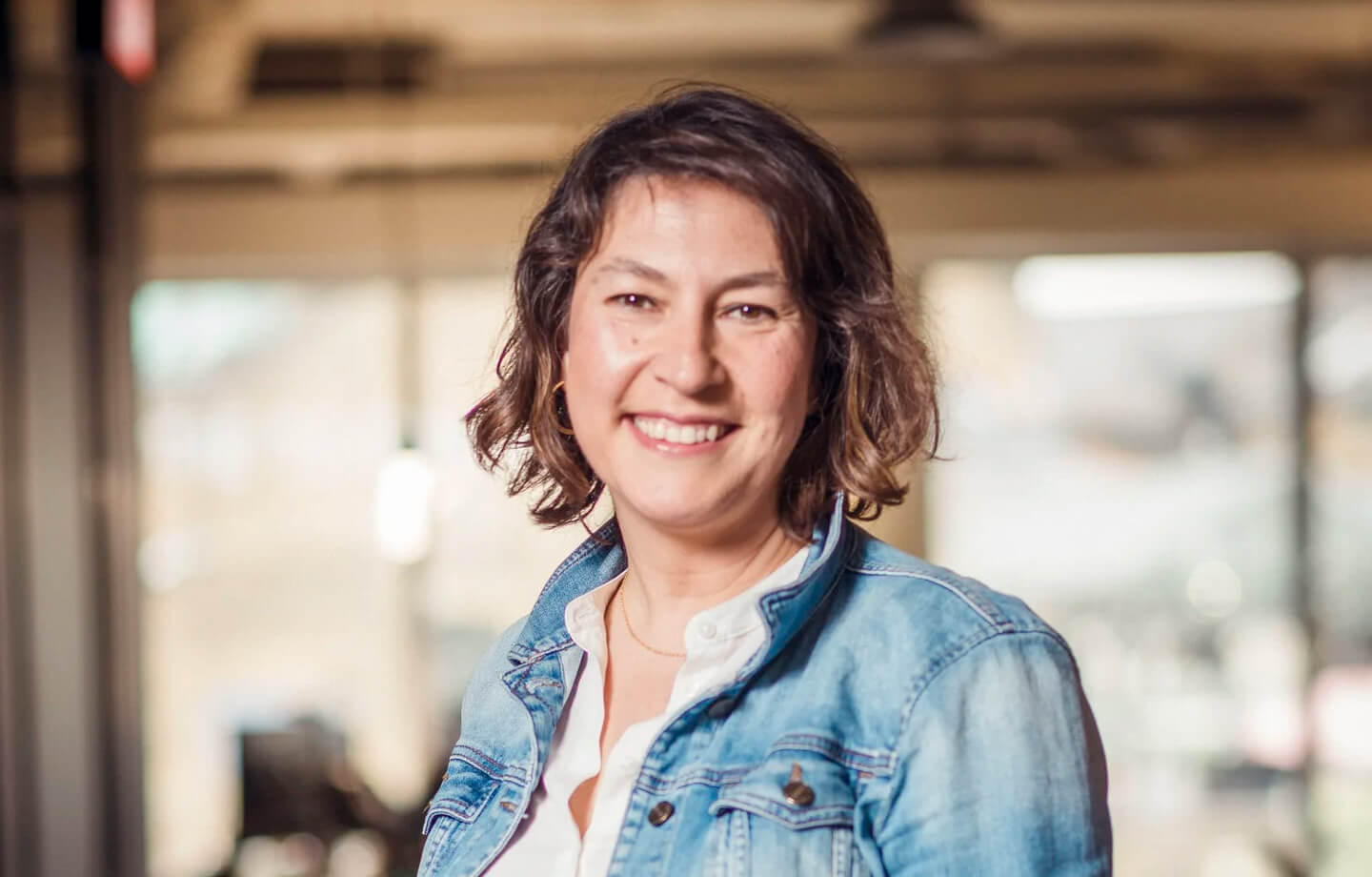
Tuze Mekik : Social & Environmental Sustainability Strategist, Fashion and Footwear
A Particular Kind of Calm
There is a particular kind of calm that comes from people who have seen too much to be naive, but care too much to be cynical. Tuze Mekik has that calm. She talks about social responsibility not as a slogan, but as a muscle memory formed over two decades of walking factory floors—from Turkey to China, Morocco to Vietnam—long before sustainability became fashion's favourite costume change.
An Accidental Route
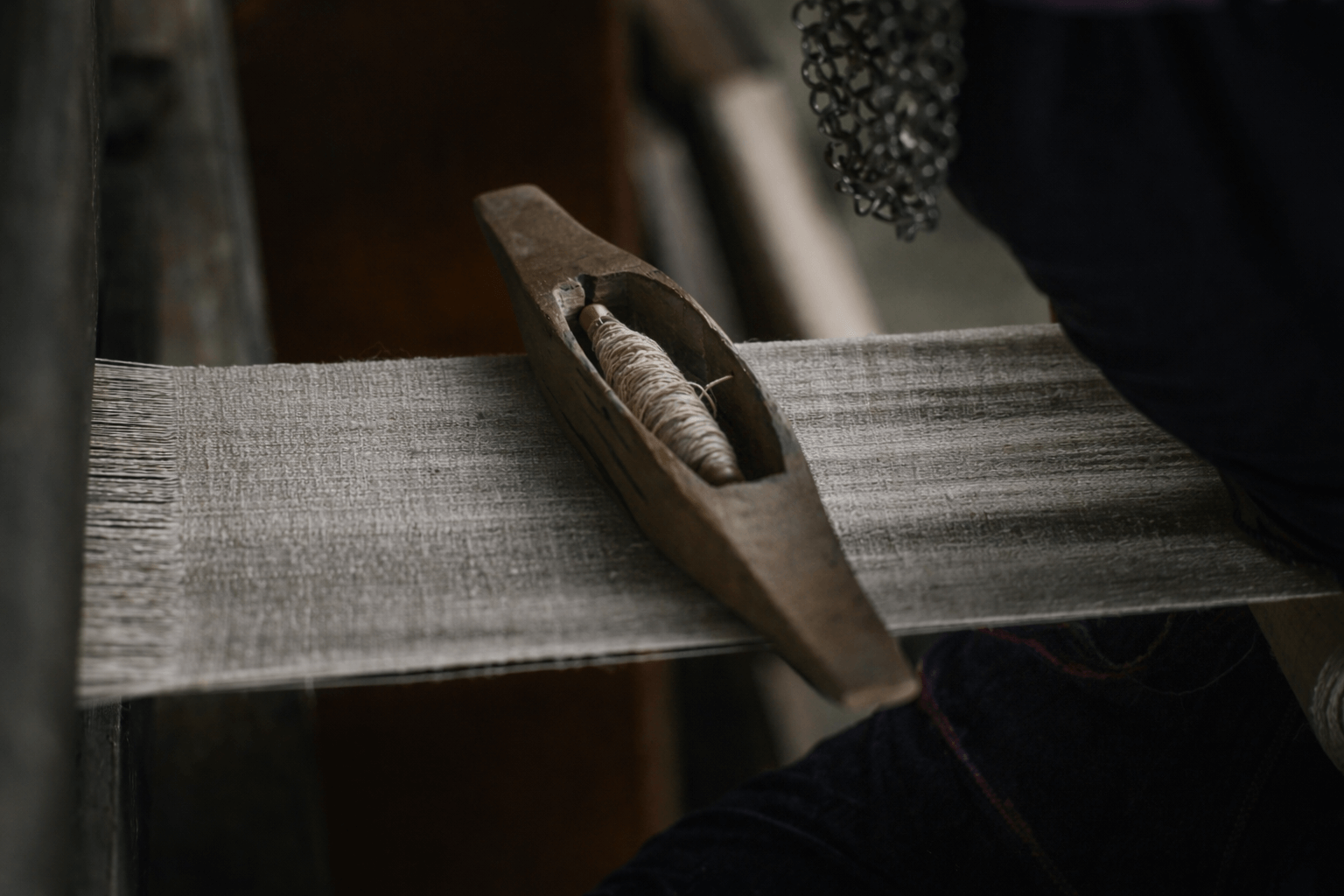
Her route into this world was almost accidental. Raised in Turkey's textile machinery trade, she began not as a campaigner but as a salesperson, talking looms and yarns with manufacturers investing heavily in the country's cotton heartlands. When an American fashion giant came looking for auditors who understood both language and landscape, she stepped through a door that, at the time, did not even bear the word "sustainability". It was "corporate responsibility", a term as clunky as it was vague, but the reality it described was sharp enough.
Soon she was one of scores of auditors, in and out of factories almost every day—sometimes 260 visits in a single year, a human metronome ticking through the back end of the global wardrobe.
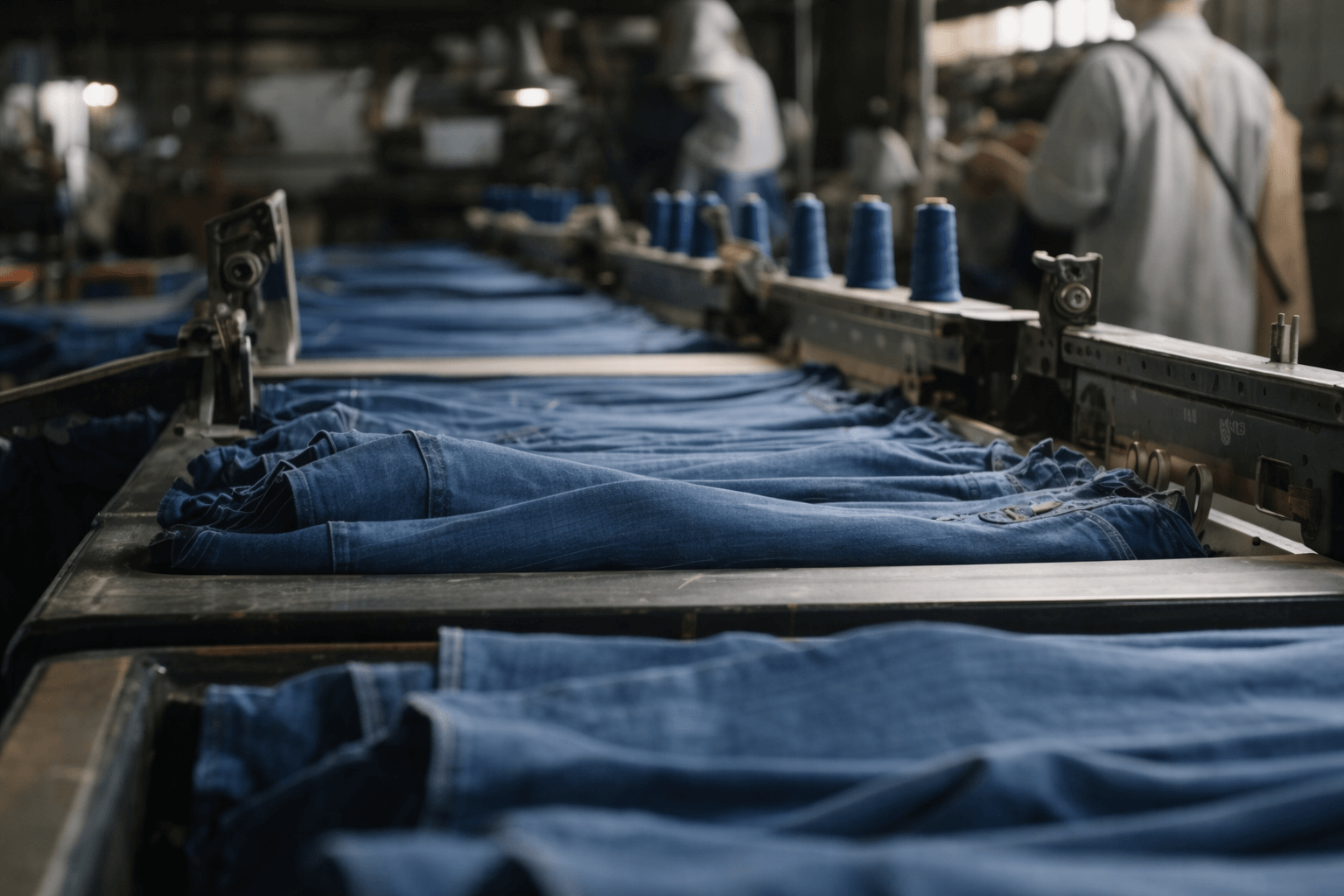
"260 visits in a single year, a human metronome ticking through the back end of the global wardrobe."
From Custodian to Steward
Somewhere between the boarding passes and the boiler rooms, Mekik realised she was no longer just a custodian of risk for global fashion brands; she was becoming something else. Auditing alone, she saw, was not enough. The exercise could scratch the surface without delivering the change that was needed. The revelation came in the gap between what she saw in the many countries and factories she visited, and what managers and workers believed was possible.
She began to recast herself as a "change agent", learning to speak a common language with factory owners, supervisors and workers—less policeman, more translator. The goal shifted from catching infractions to building the business case for doing things differently, one conversation at a time.
Her later moves to other international brands completed a slow evolution from what she calls a custodial mindset to stewardship. In the early days, she was living entirely in the present: checking fire exits, wages and working hours, turning compliance violations into corrective actions. Now, helping to shape a Planet–Product–People agenda for a global brand, she inhabits a different time horizon. The questions are longer: What does this mean for the next decade of workers, for the communities around factories, for customers who will never see these places but are implicated in them? She describes stewardship as living "with one ear in the present and a little bit in the future", acutely aware that change has to start now, even if its consequences will play out beyond any five-year financial plan.
Challenging Supply Chain Idealism
Her stories from the field challenge any lingering idealism about supply chains. She describes how, in many sourcing countries, the official supplier may appear fully compliant, yet closer inspection reveals that much of the production is pushed into a network of subcontractors—often operating beyond the direct view of auditors. Sometimes this results in perplexing scenarios, such as empty factory floors and finished goods accumulating without explanation.
The complexity and opacity of these networks make accountability elusive. For Mekik, genuine responsibility only takes root when brands recognise they must stay connected to their production realities through long-term, trusted partnerships, rather than outsourcing not just the work but the duty of care itself.
"Living with one ear in the present and a little bit in the future."
When Policies Meet Reality
Mekik is unsentimental about the system's structural failures but alive to its pressure points. Policies and codes of conduct, she argues, only start to matter when they are tied directly to commercial decisions—pricing, lead times, margin expectations. She recalls pilots that showed just how complicated it is to turn intent into pay packets in Romania, China or elsewhere.
What mattered most, she concluded, was not another proudly worded policy, but the quality of social dialogue inside factories: management listening, workers speaking, and, where possible, trade unions allowed to function. Systems imposed from headquarters can be brittle; rights negotiated on the ground stand a chance.
A New Layer of Instability
Climate change adds a new layer of instability to that already precarious architecture. Mekik now spends as much time thinking about heatwaves in South Asia and floods in Thailand as she once did about fire exits and overtime records. Public companies, she points out, are being required to publish transition plans—dry words for very wet realities—as they work towards net-zero targets.
When suppliers are hit by extreme weather, the first instinct is often to counter-source to protect orders. The harder work is understanding what that flood or heatwave means for workers, for local economies, for the brand's own long-term credibility. Climate impacts on leather, cotton and other core raw materials are not abstract risk factors, but a live script she reads in real time as companies try to reduce their footprint while keeping product, people and planet in balance.
Safeguarding from Disillusion
Threaded through all of this is a deeply personal ethic. Mekik was raised in a family of lawyers and a judge, politics and justice at the dinner table. Fairness is not a professional competency for her; it is a reflex.
When she mentors younger practitioners—often 20- and 30-somethings gripped by climate anxiety and a burning desire to "fix" fashion—she finds herself not selling them illusions, but safeguarding them from disillusion. Change is slow, she tells them; the work is often lonely, but their voices matter precisely because they insist on a different pace. Her role now includes an emotional duty of care: holding space for their frustration while steering them away from paralysis.
Tell Me You Cared
If there is a single line that could appear above the door of Tuze Mekik's career, it might be the answer she imagines from the "ESG gods" at the gates of heaven: "Tell me you cared." Caring, in her telling, is not sentimentality. It is the willingness to sit in uncomfortable rooms, to have the difficult conversations others avoid, to accept that even the most beautifully worded strategy will fail without human conviction behind it.
In an industry still addicted to surface, her story suggests that the real avant-garde is not just aesthetic—it is also ethical. And it is being written, slowly, by people like her.
Interview and editorial: Arra and Partners (SRCD) Ltd
Tuze Mekik - Social & Environmental Sustainability Strategist, Fashion and Footwear

